244.6K
Downloads
152
Episodes
The podcast of the Association for Psychological Science. What does science tell us about the way we think, behave, and learn about the world around us? Under the Cortex is proudly sponsored by Macmillan Learning Psychology, where captivating content meets genuine engagement. Our authors, who are seasoned educators, understand today’s teaching challenges. We aim to craft and present both information and interactive tools that truly connect with students. Whether in-person or online, we support instructors and inspire students. Macmillan Learning Psychology: Engaging Every Student, Supporting Every Instructor, Setting New Standards for Teaching and Learning.
Episodes
Sep 8, 2020
Sep 8, 2020
24 min
In a recent article in Current Directions in Psychological Science, Michael Wohl, a researcher at Carleton University, explores how collective angst can influence collective nostalgia. As the U.S. prepares for its next election, this research provides intriguing insights into how political rhetoric tends to capitalize on the relation between these emotions by promising to “bring back the good old days.” Listen to the APS podcast discussion with Michael on these findings and their potential impact on society and politics.
Sep 4, 2020
Sep 4, 2020
1hr 1 min
To expand our understanding of open access and how it applies to our members, APS President Shinobu Kitayama convened a virtual roundtable of international experts on scholarly publishing to discuss both the challenges and opportunities of this emerging model of journal publishing.
Aug 27, 2020
Aug 27, 2020
15 min
While speakers of English and other Western languages prefer using suffixes more than prefixes, a new study reveals that this preference is not as universal as once thought. These findings stress the need for more diverse populations in language research and may shed light on human cognition

Aug 1, 2020
Aug 1, 2020
23 min
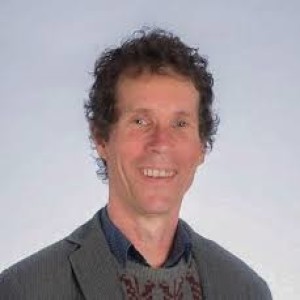
Robert Goldstone of the Percepts and Concepts Laboratory at Indiana University and editor of the APS Journal Current Directions in Psychological Science interviews Cecilia Heyes
Department of Experimental Psychology at University of Oxford, and Senior Research Fellow in Theoretical Life Sciences at All Soul’s College.
Jul 29, 2020
Jul 29, 2020
16 min
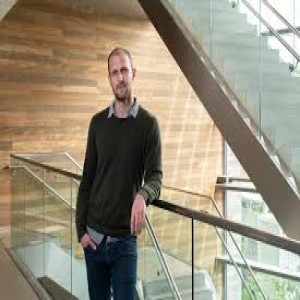
Robert Goldstone of the Percepts and Concepts Laboratory at Indiana University and editor of the APS Journal Current Directions in Psychological Science interviews Greg Wadley, senior lecturer in the School of Computing and Information Systems at the University of Melbourne.
Jul 29, 2020
Jul 29, 2020
19 min
Robert Goldstone of the Percepts and Concepts Laboratory at Indiana University and editor of the APS Journal Current Directions in Psychological Science interviews Sam Gershman, associate professor of psychology at Harvard University.

Jul 29, 2020
Jul 29, 2020
19 min
Robert Goldstone of the Percepts and Concepts Laboratory at Indiana University and editor of the APS Journal Current Directions in Psychological Science interviews Maykel Verkuyten, Professor of Interdisciplinary Social Science at the University of Utrecht in the Netherlands.
Jul 21, 2020
Jul 21, 2020
19 min
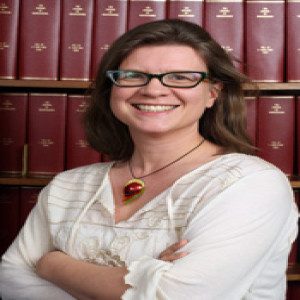
Robert Goldstone of the Percepts and Concepts Laboratory at Indiana University and editor of the APS Journal Current Directions in Psychological Science interviews Isabel Guathier, the David K. Wilson Professor of Psychology at Vanderbilt University on "what we could only learn about holistic face processing from non-face objects." The interview took place on March 9, 2020.
May 28, 2020
May 28, 2020
25 min
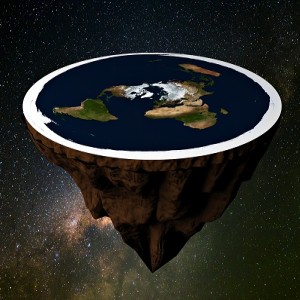
Karen Douglas, professor of social psychology at the University of Kent, and Michael Shermer, the Founding Publisher of Skeptic magazine, the host of the Science Salon Podcast, and a Presidential Fellow at Chapman University–share their research, thoughts, and reactions on conspiracy theories and how they specifically relate to COVID-19.
Apr 24, 2020
Apr 24, 2020
5 min
https://www.psychologicalscience.org/news/releases/fictional-villains-allure.html
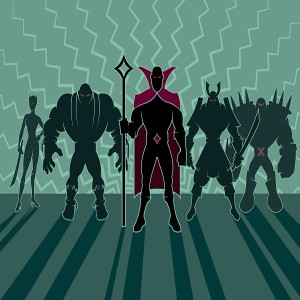
As people binge watch TV shows and movies during this period of physical distancing, they may find themselves eerily drawn to fictional villains, from Voldemort and Vader to Maleficent and Moriarty. According to new research published in the journal Psychological Science, people may find fictional villains surprisingly likeable when they share similarities with the viewer or reader.